
Written by Oladimeji Oke
A press release is one of the most effective tools for gaining media attention and increasing brand awareness.
Whether launching a new product, announcing a major partnership, or promoting an upcoming event, a well-crafted press release can help businesses and organizations share important news with their audience.
However, simply writing a press release isn’t enough—it must be structured properly, contain compelling content, and follow industry best practices to maximize its impact.
This article explores different types of press releases, complete with real-world examples, and provides insights into crafting an effective press release that captures attention.
What is a Press Release?
A press release is an official statement issued to media outlets, journalists, and the public to share newsworthy information.
It follows a standard format and includes key details such as the headline, lead paragraph, body content, quotes, and company information.
Businesses and organizations use press releases for various reasons, including product launches, crisis management, corporate announcements, and event promotions.
A well-written press release ensures that the message is clear, concise, and engaging.
Why Are Press Releases Important?
Press releases serve multiple purposes beyond simply announcing news. Here’s why they are an essential part of any communication strategy:
- Increases Brand Visibility – A well-distributed press release can reach a wide audience, helping to build brand recognition and credibility.
- Establishes Authority – When media outlets publish a press release, it reinforces the credibility of the company or individual behind it.
- Drives Website Traffic – Press releases often include links to company websites, leading to increased visits and potential customer conversions.
- Enhances SEO – Search engines index press releases, helping businesses rank for relevant keywords and improve online visibility.
- Attracts Media Coverage – Journalists rely on press releases for stories, making them an excellent tool for gaining media exposure.
Now that we understand the importance of press releases, let’s explore some common types and real-world examples.
Types of Press Releases (With Examples)
1. Product Launch Press Release
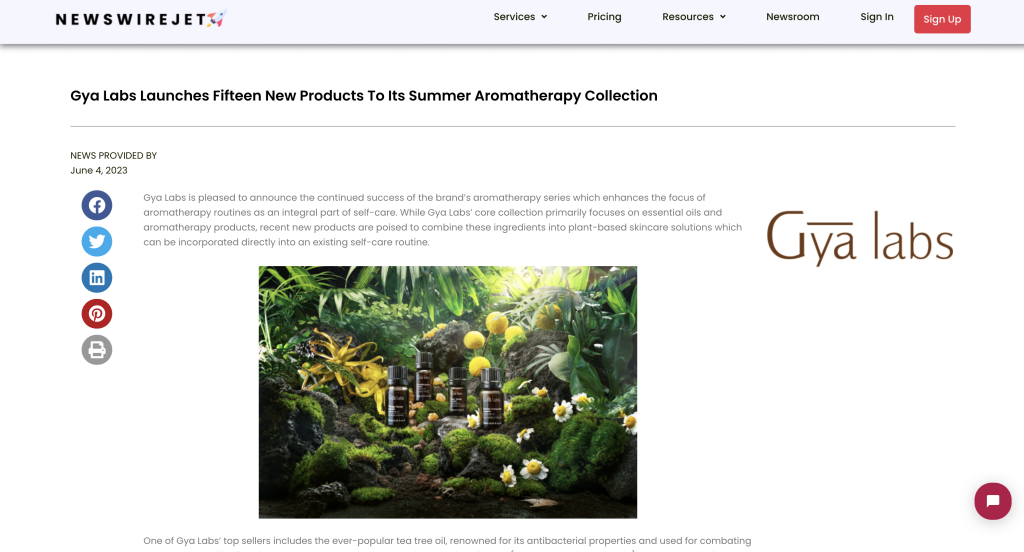
When a company introduces a new product, a well-crafted press release generates excitement and attracts media attention. A product launch press release typically includes details about the product, its features, availability, and why it stands out in the market.
Real-Life Examples of Product Launch Press Releases
- Bodytech Enhancements Launches First Product, Clarity, for Improved Memory and Cognition
- La V’rose Skincare Launches Premium Botanical Vegan Collagen Skincare Collection
- Moonster Launches ‘Dream Create Inspire’ Authentic Leather Journals
2. Event Press Release
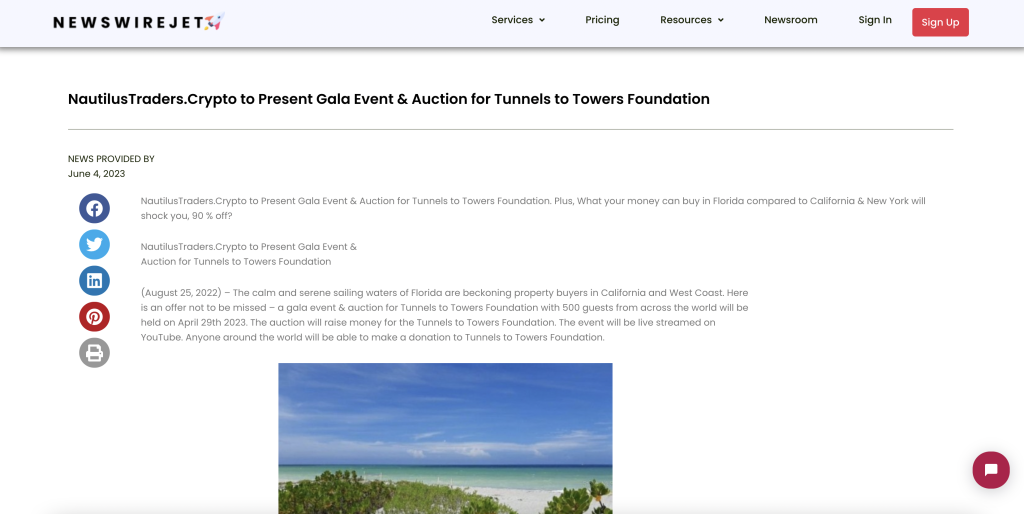
Organizations use event press releases to promote upcoming conferences, trade shows, fundraisers, or product launches. A compelling event press release includes the event’s purpose, date, time, location, and key speakers or participants.
Real-Life Examples of Event Press Releases
- UN Partners Sterling One Foundation to Convene Africa Social Impact Summit
- The ESPYS After Party: A Night of Glitz and Glamour at LA Reserve
3. Non-Profit or Charity Press Release
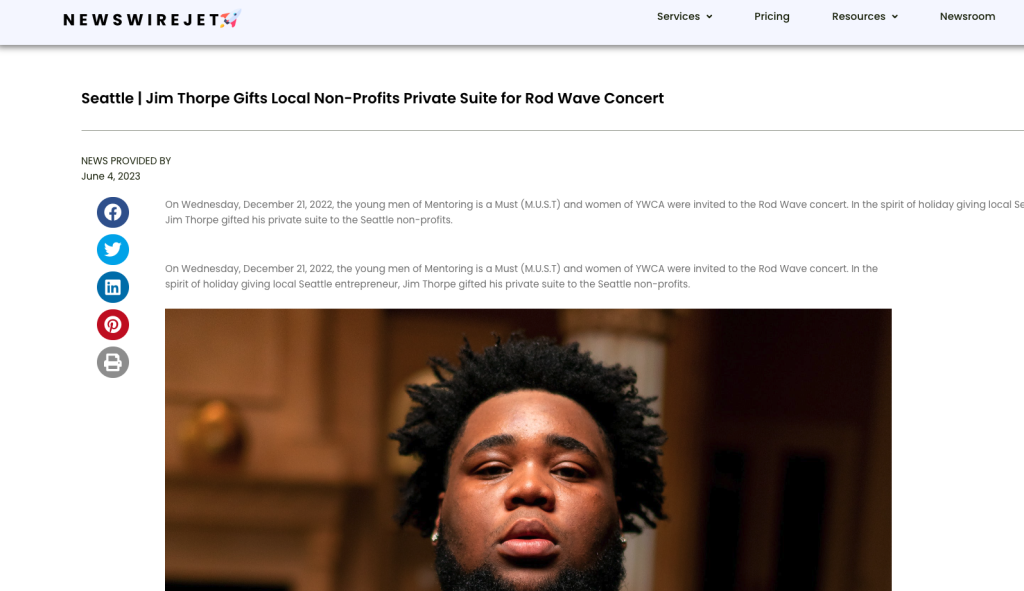
Non-profits often use press releases to promote fundraising campaigns, community initiatives, or major donations. This type of press release should convey a compelling story to engage the audience emotionally.
A strong non-profit press release should include a call to action encouraging further support or donations.
Real-Life Examples of Event Press Releases
- Jim Thorpe Rings in the New Year by Donating Suite to Seattle Non-Profit
- Seattle | Jim Thorpe Gifts Local Non-Profits Private Suite for Rod Wave Concert
4. Merger or Acquisition Press Release
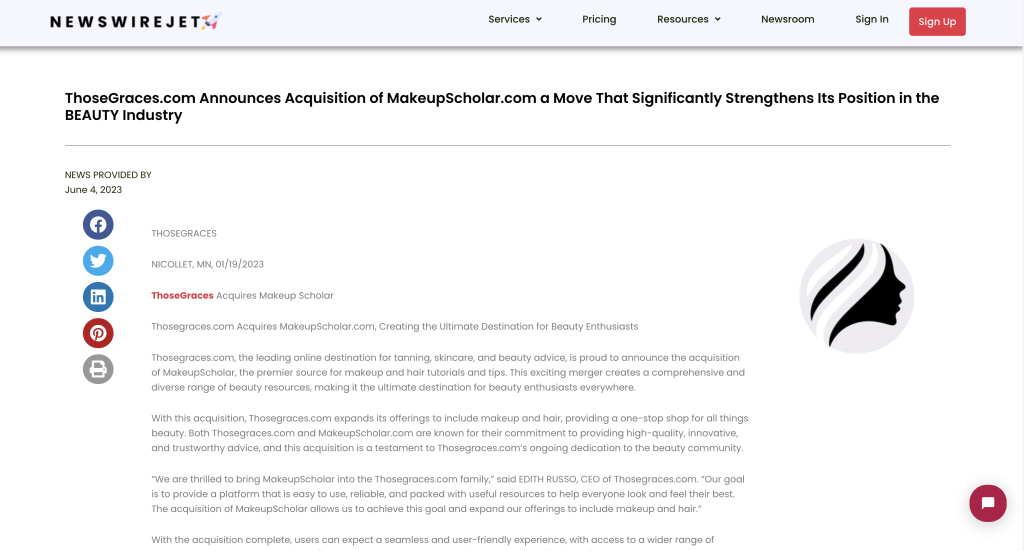
When two companies merge or when one acquires another, a well-crafted press release is essential to inform stakeholders, investors, customers, and the media about the deal.
A merger or acquisition press release should emphasize the strategic benefits, the impact on customers and employees, and any leadership or operational changes.
Examples Business Merger and Acquistion Press Releases
- Polestar Plumbing, Heating & AC Acquires Steve Jones AC in Olathe, KS
- CFOL Acquires Extreme Lightscapes, A Leading Provider of Holiday Event Production Services
5. New Hire Press Release Examples
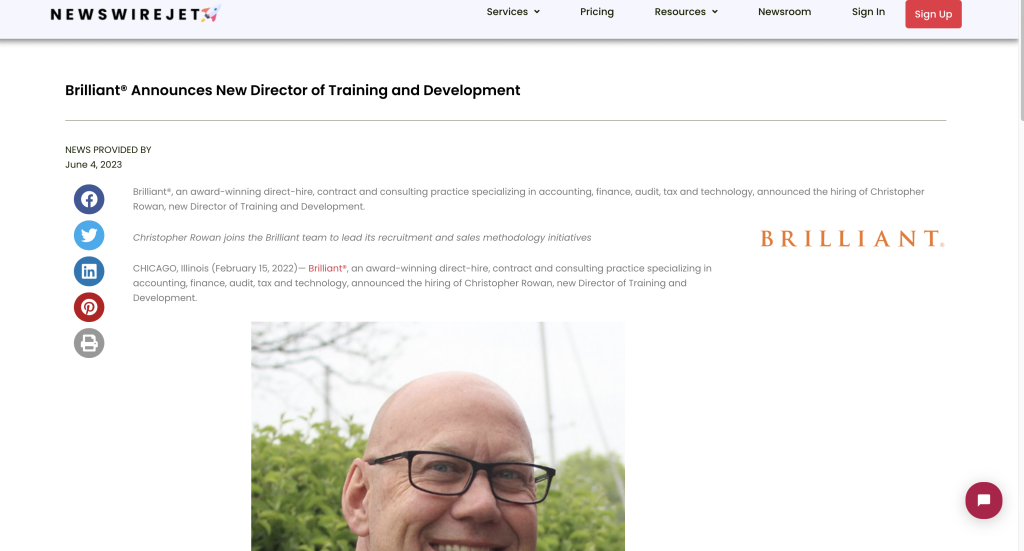
A New Hire Press Release is a concise public announcement by a company introducing a new employee to the organization. It highlights the new hire's name, position, relevant background, and key responsibilities.
This press release is intended to inform stakeholders and the public about the addition to the team and to showcase the company's commitment to growth and expertise.
Real-Life Examples of New Hire Press Releases
- Qatar hires Dotmount Communications Founder Adedotun Olaoluwa for media consulting
- Brilliant® Announces New Practice Director for Technology Solutions
6. Award or Recognition Press Release
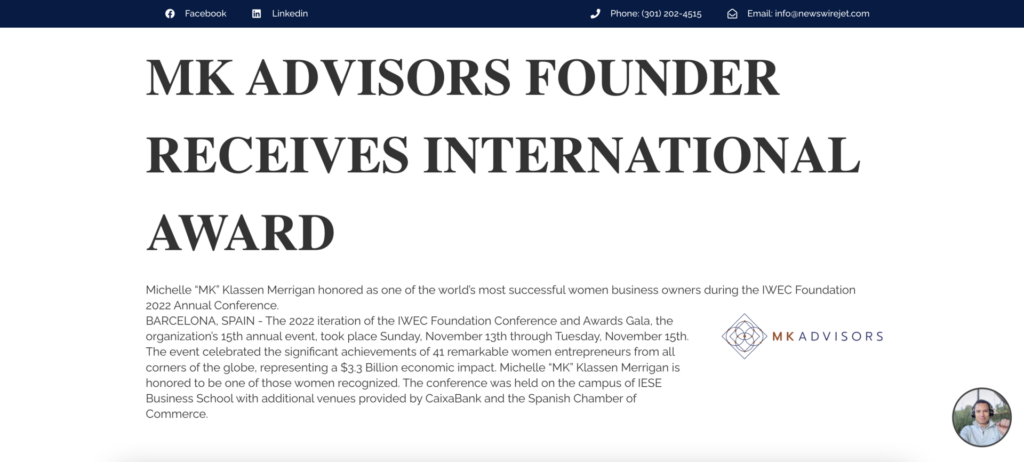
Winning an industry award or receiving a major recognition is a great opportunity for a company to boost credibility. An award press release highlights the achievement, who presented the award, and why the company or individual was chosen.
Real-Life Examples of Award Press Releases
7. Rebranding Press Release
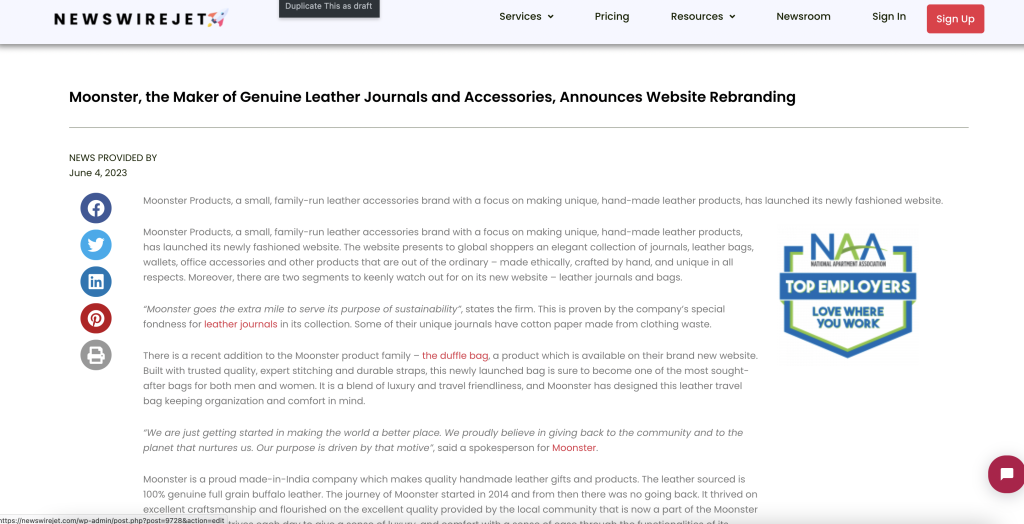
A rebranding press release announces significant changes to a company’s identity, such as a new name, logo, visual identity, or brand positioning. This type of press release helps manage the transition, reassure stakeholders, and generate excitement around the brand’s new direction.
Real-Life Rebranding Press Release Examples
8. New Business Launch Press Release
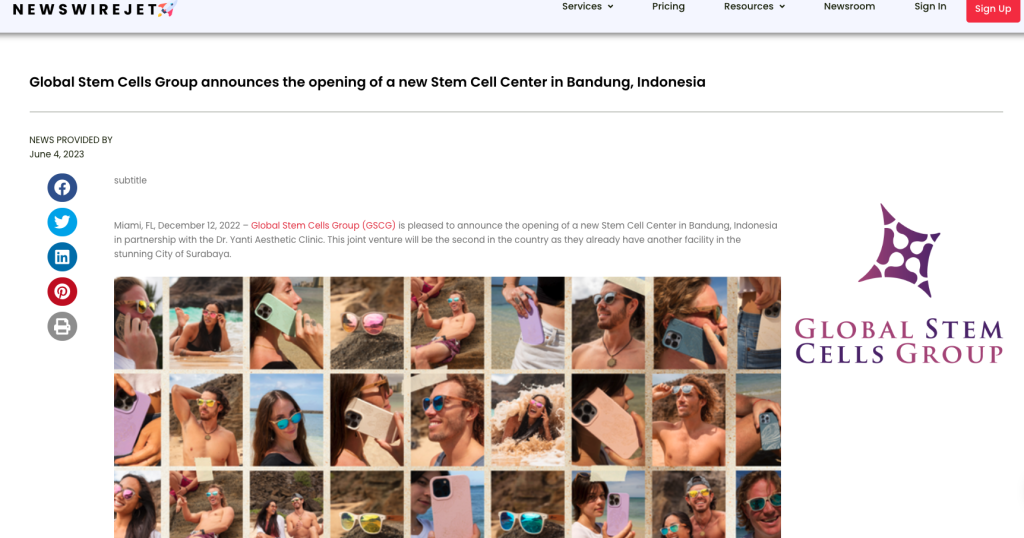
A new business launch press release is essential for announcing the launch of a new company or a new product/service offering. It helps to create buzz, attract potential customers, and position the brand in the market.
This type of press release highlights the business’s mission, unique selling points, and what sets it apart from competitors.
Real-Life Business Launch Press Release Examples
- Global Stem Cells Group announces the opening of a new Stem Cell Center in Bandung, Indonesia
- MARVA ELAINE to Revolutionize Personal Care with the Opening of Its Flagship Boutique
9. Crisis Management Press Release

Credit: PR Newswire
When a company faces a crisis—such as a product recall, cybersecurity breach, or public relations issue—issuing a press release helps manage the narrative and reassure stakeholders.
A crisis management press release should be transparent, address the issue directly, and outline the steps being taken to resolve it.
Real-Life Crisis Management Press Release Examples:
- UnitedHealth and Change Healthcare Under Investigation for Massive Data Breach
- Conductor Fatally Injured In Cleveland
10. Sports Press Release
A sports press release is used to announce major events, team updates, player signings, sponsorships, or achievements in the sports industry. It helps generate media coverage, engage fans, and attract sponsors or partners.
Sports Press Release Example:
Headline: "Star Forward Signs Multi-Year Deal with City Strikers FC"
Lead Paragraph:
City Strikers FC has officially signed star forward [Player Name] to a multi-year contract, strengthening the team ahead of the upcoming season. The signing marks a major move for the club as they aim to compete for the championship.
This type of press release should highlight key details such as player statistics, contract terms (if public), team goals, and quotes from the player, coach, or team executives.
11. Political Campaign Press Release
A political campaign press release announces a candidate’s campaign launch, key policy positions, endorsements, or major events. It helps generate media coverage, inform voters, and build momentum for the campaign.
Example:
Headline: "John Doe Announces Candidacy for Mayor of Springfield"
Lead Paragraph:
John Doe, a longtime advocate for economic growth and community development, has officially announced his candidacy for Mayor of Springfield. With a platform focused on job creation, public safety, and education reform, Doe aims to bring positive change to the city.
This type of press release should emphasize the candidate’s vision, key policy positions, campaign events, and include statements from the candidate and supporters.
12. Book Launch Press Release
Authors and publishers use press releases to generate buzz around new book releases. A book launch press release should include the book’s title, a brief synopsis, the author’s background, and where it can be purchased.
Example:
Headline: "Bestselling Author Jane Doe Releases New Thriller ‘Shadow’s Edge’"
Lead Paragraph:
Acclaimed author Jane Doe has announced the release of her latest thriller, Shadow’s Edge, a gripping psychological drama that explores the depths of human deception. The book will be available in bookstores and online retailers starting March 15, 2025.
Providing links for pre-orders or book signings can enhance engagement.
Key Components of a Great Press Release
No matter the type of press release, certain elements must be included to ensure effectiveness. A strong press release should follow a structured format that makes it easy for journalists and readers to extract key information.
1. The Headline
The headline should be clear, concise, and attention-grabbing. It should summarize the main news in 8-12 words.
Example:
"Tech Startup Launches AI-Powered Customer Support Platform to Improve User Experience.
2. The Lead Paragraph
The first paragraph should answer the essential questions: Who? What? When? Where? Why? and How? This section provides a quick overview of the press release.
3. The Body
The body elaborates on the news, offering supporting details, background information, and key statistics. It should maintain a logical flow and provide context to the announcement.
4. Quotes
Including quotes from company executives, partners, or relevant figures adds authenticity and humanizes the press release.
Example:
"This partnership represents a significant step forward in making financial transactions safer and more convenient for our users," said John Doe, CEO of FinTech Corp.
5. Boilerplate
The boilerplate is a brief section at the end of the press release that provides background information about the company or organization.
Example:
About GreenTech: GreenTech is a global leader in renewable energy solutions, committed to creating sustainable and efficient technologies for a greener future. Learn more at GreenTech.com.
6. Contact Information
Providing a media contact ensures journalists and interested parties can reach out for further details.
Example:
Media Contact:
Sarah Johnson
PR Manager, SecurePay
Email: [email protected]
Phone: (555) 123-4567
How to Write a Press Release That Gets Noticed
Even with a strong format, a press release must be engaging and well-written to capture media attention. Here are some best practices:
1. Keep It Concise
Journalists receive hundreds of press releases daily. A press release should be between 300-600 words, delivering key information without unnecessary fluff.
2. Use a Professional Tone
Avoid overly promotional language. A press release should be factual and objective, presenting information in a neutral and informative way.
3. Include Data and Statistics
Supporting claims with numbers adds credibility. If a company is announcing growth, include specific figures:
Example:
"Our new expansion will create 500 new jobs, increasing our workforce by 35%."
4. Optimize for SEO
Press releases published online should include relevant keywords, links, and meta descriptions to improve search engine visibility.
5. Add Multimedia Elements
Including images, videos, or infographics makes a press release more engaging and increases the chances of being picked up by media outlets.
Press Release Template (Fill-in-the-Blank Format)
A well-structured press release follows a standard format that ensures clarity and readability. Below is a fill-in-the-blank template to help you craft an effective press release for any occasion.
[Your Company/Organization Name] Announces [Event/News]
FOR IMMEDIATE RELEASE
[City, State] – [Date]
[Company/Organization Name] is pleased to announce [briefly state the news/event]. This [product launch/partnership/appointment/event] aims to [state the purpose or significance].
Key Details:
- What: [Describe the main announcement clearly]
- Who: [Relevant people or companies involved]
- When: [Date and time of the event or launch]
- Where: [Location or online presence]
- Why: [Explain why this news is important]
Quote from a Key Figure
"We are excited about [announcement] because it will [mention key impact or benefit]," said [Name, Title, Organization]. "Our goal is to [state objective or long-term vision]."
Additional Details or Background
[Provide any supporting information, data, or context about the announcement.]
For more information, please contact:
Media Contact:
[Full Name]
[Title]
[Company Name]
[Email Address]
[Phone Number]
[Website]
How to Distribute Your Press Release for Maximum Impact
Writing a compelling press release is only half the battle. The next step is ensuring it reaches the right audience. Effective press release distribution involves choosing the right channels and leveraging media contacts to maximize visibility.
1. Distribute Through a Press Release Service
Using a professional press release distribution service ensures that your announcement reaches top media outlets, journalists, and online news platforms.
NewswireJet: A Reliable Press Release Distribution Partner
NewswireJet provides businesses, startups, and organizations with a streamlined approach to press release distribution. With access to top-tier news outlets, targeted industry distribution, and SEO benefits, NewswireJet helps maximize exposure for your news.
Whether you're announcing a product launch, partnership, or industry recognition, NewswireJet ensures your press release reaches the right audience.
2. Send Directly to Journalists and Media Outlets
While distribution services help with broad reach, direct media pitching can improve your chances of getting featured in high-profile publications. Here’s how:
- Identify Relevant Journalists: Research reporters who cover your industry and send personalized emails.
- Craft a Strong Email Pitch: Keep your email concise, highlight the most newsworthy aspect of your press release, and explain why their audience would find it valuable.
- Follow Up Professionally: If you don’t receive a response within a few days, send a polite follow-up email.
3. Publish on Your Website and Blog
Hosting your press release on your website ensures it remains accessible to visitors, investors, and potential customers. It also enhances SEO by increasing content relevance and engagement.
Best Practices for Website Publication
- Create a dedicated "Newsroom" or "Press" section on your website.
- Optimize the press release for search engines using relevant keywords.
- Share the link in your company newsletters and email campaigns.
4. Leverage Social Media Channels
Social media is a powerful tool for amplifying your press release and driving engagement. Platforms like LinkedIn, Twitter, and Facebook allow businesses to reach a broader audience.
How to Share Your Press Release on Social Media
- LinkedIn: Post a summary with a link to the full press release. Tag key people or companies involved.
- Twitter/X: Use a compelling hook and relevant hashtags to increase reach.
- Facebook: Share a visually engaging post, possibly with an image or video.
- Instagram: Use carousel posts or Stories to highlight key takeaways.
5. Submit to Industry-Specific Publications
Many industries have niche websites, blogs, and magazines that accept press releases. For example:
- Tech Startups: TechCrunch, Wired, VentureBeat
- Finance: Bloomberg, CNBC, Financial Times
- Healthcare: Healthline, MedPage Today, WebMD
Targeting industry-specific platforms increases the likelihood of reaching the right audience.
Common Press Release Mistakes to Avoid
Even well-written press releases can fail to generate attention if they contain common mistakes. Here’s what to watch out for:
1. Being Too Promotional
A press release is not an advertisement. Focus on delivering valuable news rather than making exaggerated claims.
Wrong:
"Our groundbreaking product is the best on the market and will revolutionize the industry!"
Right:
"Our newly launched product introduces AI-driven automation to streamline workflow efficiency."
2. Lack of a Clear News Angle
If your press release lacks a strong newsworthy element, journalists may ignore it. Before writing, ask:
- Why is this important now?
- How does this impact the industry or customers?
- What makes this story unique?
3. Poor Formatting
A press release should be easy to read and follow a standard structure. Avoid large blocks of text and ensure spacing, headings, and subheadings enhance readability.
4. Weak Headlines
A weak or vague headline reduces the chances of engagement. Make it specific and action-oriented.
Weak: "Company X Makes an Announcement"
Strong: "Company X Launches New AI Tool to Improve Customer Support Efficiency by 40%"
5. Ignoring Contact Information
Always include a media contact at the end of your press release so journalists can follow up for more information.
Final Thoughts
A well-crafted press release is a powerful tool for brand awareness, credibility, and media coverage. By following the right structure, focusing on newsworthiness, and using effective distribution channels like NewswireJet, you can maximize the impact of your announcements.
Whether you're launching a product, announcing a partnership, or sharing company news, a strategic press release approach ensures your message reaches the right audience. Keep your writing clear, concise, and engaging, and leverage multiple distribution methods to boost visibility.
By mastering the art of press releases, businesses can enhance their reputation, improve media relations, and drive meaningful engagement.
Frequently Asked Questions
1. What Makes a Press Release Effective?
An effective press release is clear, concise, and newsworthy. It should have a compelling headline, a strong lead paragraph summarizing the key message, quotes from relevant figures, and supporting details that provide context. Additionally, including a call to action and media contact information ensures journalists and readers know what steps to take next.
2. How Long Should a Press Release Be?
A press release should typically be between 300-600 words, covering the key details without unnecessary fluff. It should fit on one page, making it easy for journalists to scan and extract essential information.
3. Where Should I Distribute My Press Release?
Press releases can be distributed through newswire services, media contacts, company websites, and social media platforms. For maximum reach, consider using a trusted distribution service like NewswireJet, which helps businesses gain media exposure and improve online visibility.